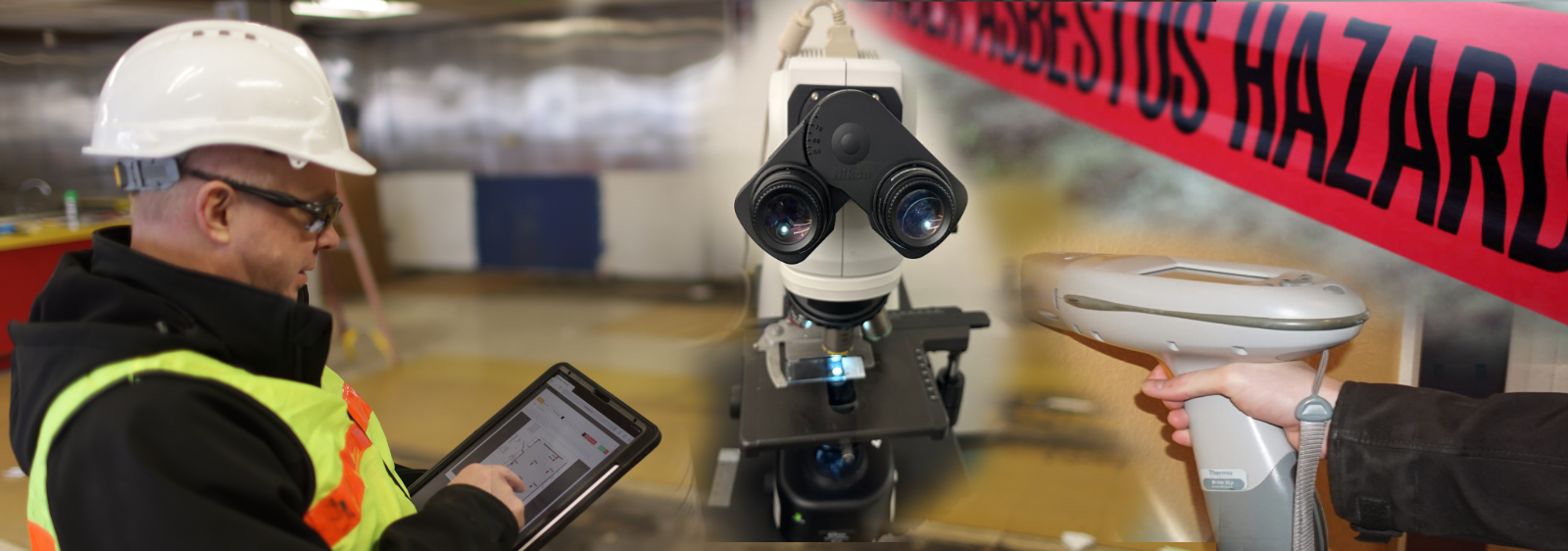
NYC Local Law 31 of 2020 is a lead-based paint inspection and documentation law that significantly expanded testing, certification, and recordkeeping obligations for residential property owners.
Below is a clear, compliance-focused breakdown of the reporting + documentation requirements, creating a report with ispecX is a effortless!
All applicable buildings must undergo lead-based paint inspection using XRF analyzers
Must be performed by an EPA-certified inspector (independent / third-party)
Residential buildings built before 1960
Buildings 1960–1978 if lead is known/suspected
Generate a formal lead inspection report that includes:
Unit-by-unit results
Component-level readings (doors, windows, trim, etc.)
Identification of lead-based paint (≥1.0 mg/cm² or equivalent)
Inspector certification credentials
All units + common areas must be tested within 5 years of Aug 9, 2020
👉 Deadline: August 9, 2025
Maintain a complete building-wide inspection record
Must demonstrate:
Every dwelling unit tested
All common areas tested
Missing units = non-compliance exposure
If a child under 6 resides or routinely spends time in a unit:
Inspection must be completed within 1 year (or sooner if not previously tested)
Maintain documentation showing:
Child occupancy status
Inspection completion date tied to occupancy
Owners must maintain compliance certifications and supporting affidavits
XRF inspection reports
Lead-free / lead-containing determinations
Contractor certifications (for work disturbing lead paint)
EPA RRP compliance documentation
➡️ NYC HPD requires inspection reports, affidavits, and certifications to be available and submitted upon request
Owners must retain all records (not just perform testing)
Inspection reports
Sampling / XRF data
Remediation records (if applicable)
Contractor certifications
➡️ These must be provided to HPD upon request
Includes:
Hallways
Lobbies
Stairwells
Basements
Same XRF testing + reporting standards as dwelling units
Must be included in final compliance documentation
If work disturbs lead paint:
Contractors must:
Be EPA Lead-Safe (RRP) certified
Provide documentation of compliance
Maintain:
Contractor certifications
Work practice compliance documentation
Reports are generally:
Not automatically filed, but
Must be produced upon audit, complaint, or violation
Tenant complaints
Child elevated blood lead levels
HPD inspections
For your workflows (especially in iSpecX-style systems), a compliant report package should include:
Property summary
Unit inventory + inspection status
XRF results table (component-level)
Lead-positive summary map
Inspector certification page
QA/QC statement
Affidavit of testing completion
Contractor certifications (RRP)
Remediation records (if applicable)
Digital logs (date/time stamped)
Chain of custody (if sampling used)
Reinspection tracking
Missing even one unit inspection
No documentation of common areas
Lack of certified inspector credentials
Incomplete record retention
Failure to produce reports during HPD audit
➡️ Violations can be issued as Class “C” hazards (immediately hazardous)
This law is essentially NYC’s version of:
AHERA-style inventory + periodic inspection
Combined with EPA RRP enforcement + documentation tracking
For your business model:
This is highly aligned with:
XRF workflows
multi-unit reporting
compliance dashboards (perfect for iSpecX modules)